Ever wonder whether Santa Cruz feels like a full-time hometown or just a weekend escape that people never want to leave? If you’re thinking about moving here, that question matters because the reality of daily life is about much more than the view. From beach access and downtown energy to housing costs, parking, and commute patterns, here’s what it’s really like to live in Santa Cruz day to day. Let’s dive in.
Santa Cruz at a Glance
Santa Cruz is a compact coastal city with an estimated 61,797 residents in 2025 spread across 12.74 square miles. That gives it a denser feel than a sleepy beach town, but it still reads more like a coastal community with urban conveniences than a large city.
You feel that mix in everyday life. The shoreline, downtown core, open spaces, and local gathering spots all sit close enough together to shape how you spend your week. It is the kind of place where beaches, coffee shops, errands, and trail access can all be part of the same day.
The numbers also help set expectations. The 2020 to 2024 American Community Survey shows a 48.4% owner-occupied rate, a median owner-occupied home value of $1,209,000, a median gross rent of $2,452, and a median household income of $115,475.
Daily Life Feels Outdoorsy
A lot of Santa Cruz life revolves around being outside. The city highlights the Santa Cruz Wharf, city beaches, downtown, arts, and open-space recreation as central parts of local life, and that shows up in how residents actually use the city.
Main Beach offers 18 rentable beach volleyball courts, and the downtown farmers market runs every Wednesday on Church and Cedar Streets. Those are not just visitor attractions. They are part of the local routine for many residents.
If you like easy access to nature, Santa Cruz delivers that in a practical way. Pogonip has about 11.5 miles of trails and connects to Henry Cowell Redwoods State Park and UCSC campus lands, which gives you a real option to swap screen time for trail time without leaving the city.
Downtown Is Part of the Rhythm
Downtown Santa Cruz is not separate from residential life. It is one of the city’s anchors, with Pacific Avenue shopping, restaurants, cafes, grocery stores, and transit access all concentrated in one area.
That matters because downtown often becomes part of your weekly rhythm even if you do not live right in the center. You may head there for errands, dining, events, or bus connections, and the city continues to invest in more pedestrian-friendly play and paseo spaces.
At the same time, downtown convenience comes with one practical reality. Parking is a real part of the conversation here, especially if you rely on driving for work or daily errands.
Micro-Areas Change the Experience
One of the biggest things to understand about living in Santa Cruz is that your experience can vary a lot by area. This is not a city where every neighborhood feels interchangeable.
Westside Living
The Upper Westside is described by UCSC as quiet and residential, while the Lower Westside and Circles mix business and housing. Nearby anchors include Mission Street businesses, West Cliff Drive, Natural Bridges, Cowells, and Steamer Lane.
For many buyers, the Westside appeal is the blend of neighborhood feel and access to some of Santa Cruz’s best-known coastal spots. If you want daily proximity to surf, bluff walks, and local businesses, this area often stays high on the list.
Downtown Access
Downtown has a more active, connected feel. UCSC describes it as a bustling business district with leafy lanes, shopping, restaurants, cafes, grocery stores, and Metro access.
If you want to be close to activity and reduce the need to drive everywhere, downtown can be appealing. The tradeoff is that you are living closer to the city’s busiest hub, which may matter if your priority is a quieter residential setting.
Seabright and Midtown
Seabright and Midtown are described by UCSC as vibrant and friendly, with restaurants, cafes, grocery stores, small shops, and Seabright Beach nearby. This part of town often appeals to people who want a coastal lifestyle that still feels rooted in everyday convenience.
You are not choosing between neighborhood life and beach access as much as blending the two. That can be a strong fit if your ideal Santa Cruz day includes a local coffee stop, a quick errand, and time near the water.
Live Oak Connections
Live Oak adds the harbor, Twin Lakes Beach, a weekly farmers market, and Arana Gulch trails. For some buyers, that combination creates a lifestyle that feels slightly more spread out while still staying connected to the larger Santa Cruz area.
This is where lifestyle tradeoffs become more personal. You may prefer harbor access, trails, or a different beach routine over being close to downtown or the Westside surf breaks.
Historic Pockets
Santa Cruz also has historic pockets that shape its character in a real way. City walking tours identify Mission Hill as the birthplace of Santa Cruz, Walnut Avenue as a Victorian street, and Beach Hill as a mix of sea captain’s cottages, mansions, and bungalows.
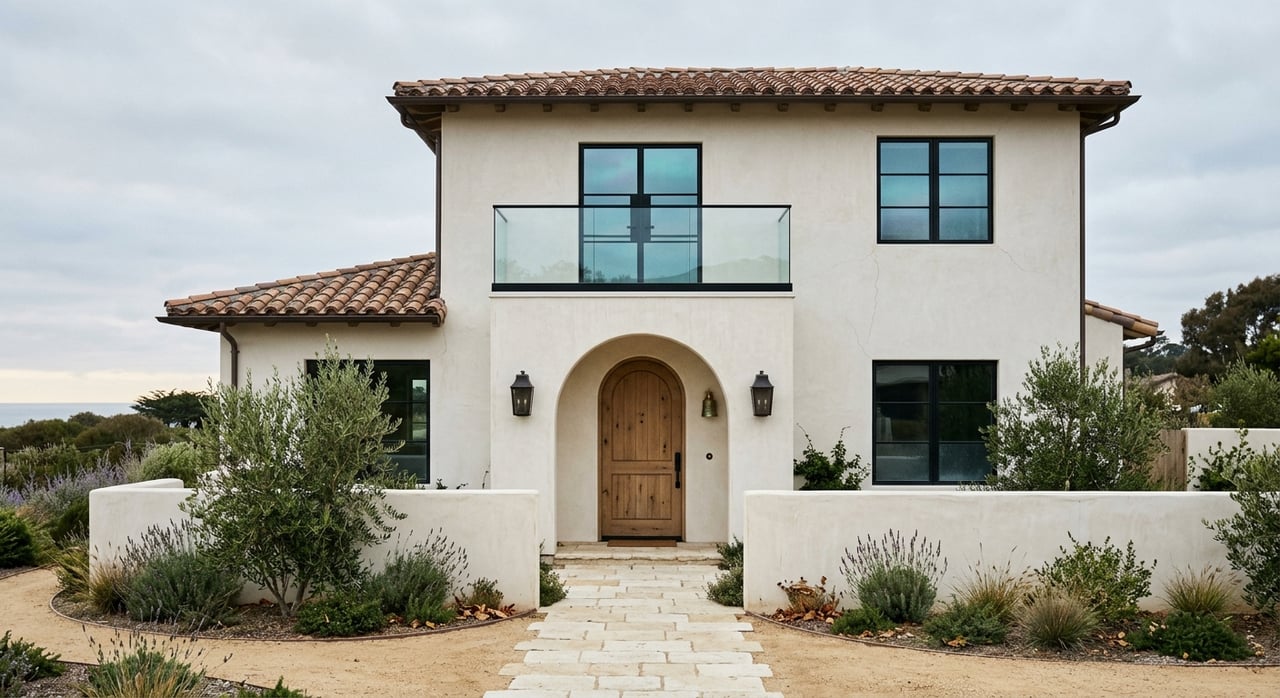
That architectural variety gives the city a look and feel that is less uniform than many California markets. If you are shopping here, you are often choosing not just a location but also a style of home and a different kind of streetscape.
Housing Is the Biggest Reality Check
If you are considering a move, the housing market is where Santa Cruz tends to feel most challenging. This remains a high-cost market, and buyers need to go in with clear expectations.
In May 2026, the median sale price in Santa Cruz was $1.56 million for single-family homes and $852,500 for common-interest homes. Average days on market were 20 for single-family homes and 16 for common-interest homes, with sale-to-list ratios of 103% and 101%.
Inventory also helps explain the pace. The same report showed 3.2 months of inventory for single-family homes and 5.0 months for common-interest homes, which points to a market where preparation still matters.
For buyers, that means the search is often about tradeoffs. You may be balancing beach proximity, home size, architecture, commute setup, and budget instead of expecting a simple match on every item.
Housing Stock Is Not One-Size-Fits-All
Santa Cruz does not offer a uniform housing landscape. Historic city material references Victorian buildings, sea captain’s cottages, mansions, bungalows, and downtown buildings that survived the 1989 earthquake, while the city’s preservation program also notes mid-twentieth-century architecture and neighborhood conservation areas.
That variety can be a major draw. It also means your home search may feel more nuanced than in a subdivision-driven market where homes are more standardized.
UCSC’s community guide notes that neighborhoods closer to campus tend to be more expensive, while farther-out areas can offer more open space or less crowded beaches. In practical terms, your home decision in Santa Cruz is often a lifestyle decision first and a floor-plan decision second.
Commuting Is Local, But Regional Too
Santa Cruz is compact enough that getting across town can feel manageable compared with larger metros. The mean travel time to work within the city is 22.8 minutes, which gives you a general sense of local scale.
But commuting here is not only about distance. It is also about route choices, parking, and whether your work life keeps you local or ties you to the broader region.
METRO runs countywide fixed-route service from the River Front Transit Center and operates the Highway 17 Express commuter route to Santa Clara County. Weekday Highway 17 Express times were adjusted by five to ten minutes to improve schedule accuracy and Caltrain connections.
For some residents, that makes transit part of a real commute strategy rather than just an occasional backup. If you work over the hill or want flexibility beyond driving, those connections matter.
Parking and Mobility Matter
If you live in Santa Cruz, you will likely think about parking more than you would in some suburban markets. The city has 19 downtown parking lots, including six free lots with time limits and 13 paid lots.
That may sound like a minor detail, but it shapes daily habits. Where you park, when you go downtown, and whether you walk, bike, or use transit can become part of your normal planning.
The city also supports alternatives to driving through transportation and active-mobility planning. In summer, the Santa Cruzer Beach and Downtown Shuttle connects downtown with the beach and wharf area on weekends and holidays for $1 per ride.
What Surprises People Most
The most common surprise is that Santa Cruz is both relaxed and logistical at the same time. Yes, it offers beaches, the wharf, open space, and a lively downtown. But living here also means navigating a high-cost housing market, limited downtown parking, and commute decisions shaped in part by Highway 17.
That balance is what makes Santa Cruz feel real. It is not just beautiful. It is a place where your daily routine, budget, and preferred pace of life all need to line up with the part of town and type of home you choose.
Is Santa Cruz a Good Fit for You?
Santa Cruz can be a great fit if you want coastal access, outdoor recreation, and a downtown that stays active without feeling like a major city center. It also helps if you are comfortable making thoughtful tradeoffs around housing cost, home style, and mobility.
For many people, the right question is not whether Santa Cruz is appealing. The better question is which area, housing type, and commute setup make the lifestyle workable for you.
That is where local context matters. If you are weighing a beach-close condo, a Westside home, a Midtown move, or a property that gives you a little more space, having a clear picture of how each option changes your day-to-day life can make the decision much easier.
If you’re thinking about buying or selling in Santa Cruz, working with a local advisor who understands the city block by block can help you move with more confidence. Connect with Brett Gotcher for calm, strategic guidance tailored to your goals.
FAQs
What is daily life like in Santa Cruz?
- Daily life in Santa Cruz tends to center on a mix of beaches, downtown errands and dining, outdoor recreation, and neighborhood routines shaped by where you live in the city.
What is the Santa Cruz housing market like?
- Santa Cruz is a high-cost market, with May 2026 median sale prices at $1.56 million for single-family homes and $852,500 for common-interest homes.
What are the main areas to know in Santa Cruz?
- Key areas that shape daily life include the Westside, downtown, Seabright, Midtown, Live Oak, and historic pockets like Mission Hill, Walnut Avenue, and Beach Hill.
Is Santa Cruz easy to get around without a car?
- Santa Cruz offers walking, biking, bus service, and seasonal shuttle options, especially around downtown and beach areas, though your experience will depend on your location and routine.
What should buyers consider before moving to Santa Cruz?
- Buyers should think about budget, commute patterns, parking, access to downtown or the coast, and which micro-area best matches their day-to-day lifestyle.